
Choosing an orthodontist isn't just about straightening teeth, it's about finding a team you'll trust with your family's smiles for the next year or two. Whether your seven-year-old needs an early evaluation, your teen wants Invisalign, or you're finally ready to straighten your own teeth, knowing how to choose the right orthodontist for your family makes the process smoother and far more rewarding.
This guide walks you through how to choose the right orthodontist for your family, from checking credentials to scheduling that first complimentary consult.
What Is an Orthodontist (and Why It Matters for Your Family)?
An orthodontist is a dental specialist who completes two to three additional years of training beyond dental school, focused entirely on tooth alignment, bite correction, and jaw development. All orthodontists are dentists, but not all dentists are orthodontists. This specialized education is why families across the St. Louis area often look for a doctor rather than relying on general dental care alone.
This distinction matters for your family because your amazing orthodontists spend their entire careers focused on moving teeth and guiding jaw growth. They see these cases daily, across patients of all ages. A practice that treats kids, teens, and adults can tailor care to each life stage.
When you're looking for someone to care for multiple family members with different needs, a specialist brings focused expertise that a general dentist may not offer.
How to Choose the Right Orthodontist: 6 Steps
Picking the right practice doesn't have to feel overwhelming. Follow these steps to find the best fit for your family:
How Do You Verify Credentials and Board Certification?
Look for doctors who are members of the American Association of Orthodontists (AAO). AAO membership means they finished accredited orthodontic training. Board certification through the American Board of Orthodontics (ABO) shows additional focus on quality and ongoing learning.
How Do You Check Experience With Your Family's Specific Needs?
Does the practice treat kids, teens, and adults? Do they offer two-phase treatment for growing children? Make sure your doctor has experience with every family member who might need care, especially if you have children of different ages.
What Treatment Options Should Be Offered?
A great family practice offers multiple options:
- Traditional metal braces
- Clear braces
- Invisalign and Invisalign Teen
- Two-phase treatment for children
- Bite correction options
Having choices means each person gets the care that fits their lifestyle and goals.
How Do You Schedule a Complimentary Consult?
Many practices offer a complimentary consult. This lets you meet the team, ask questions, and get a recommendation without any commitment. Virtual complimentary consults are also a convenient first step for busy St. Louis families.
How Do You Assess the Office Environment, Technology, and Team?
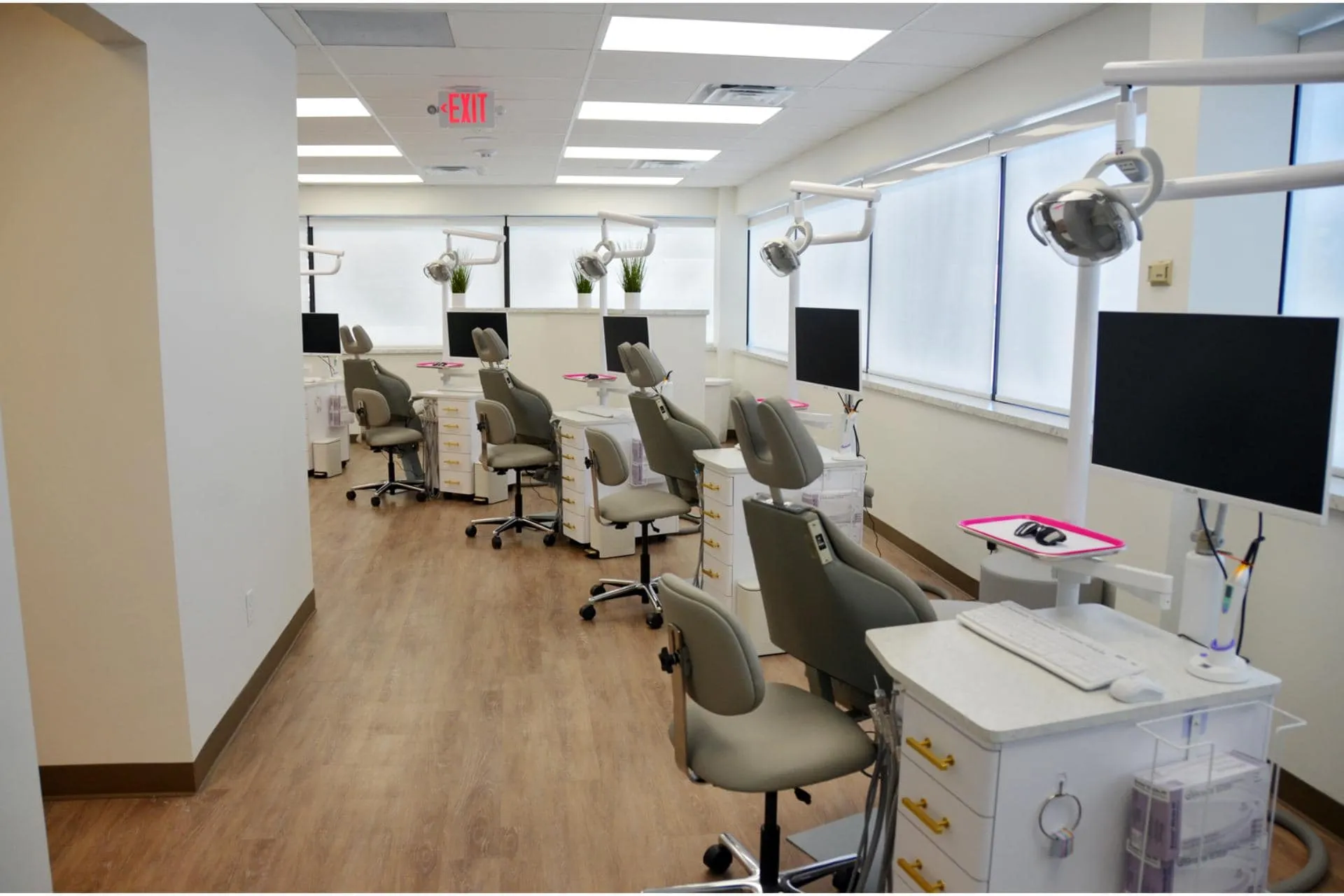
Walk through the office. Notice whether the team greets you warmly and whether they use modern tools like 3D imaging. The environment should feel comfortable for your kids and for you, with plenty of natural light, friendly faces, and a sense that the practice genuinely enjoys working with everyone.
How Do You Review Patient Testimonials and Results?
Look at before-and-after photos. Read reviews from other families. Pay attention to comments about communication, wait times, and how the practice handles concerns or unexpected issues.
Benefits of Choosing a Specialist Orthodontist for Your Family
Working with a specialist doctor offers real advantages for families weighing their options:
Why Does Deep Experience Matter?
Your amazing orthodontists handle two-phase treatment, complex bite correction, and adult Invisalign cases daily. That repetition matters. A doctor who places brackets and plans aligner cases week after week develops a feel for tooth movement that's hard to match. For St. Louis families dealing with crowding, crossbites, or jaw growth concerns, that depth of practice translates into more predictable results and fewer surprises along the way.
Why Is Coordinated Family Care Easier?
-
Full set of treatments: From early intervention for kids to clear aligners for adults, everything happens under one roof.
-
One team for everyone: Scheduling for multiple family members becomes simpler when everyone sees the same doctors. Many practices can stack siblings' appointments back-to-back, saving you trips across town.
-
Long-term relationships: Your doctor monitors retention, handles follow-up visits, and stays with your family through every smile, including retainer checks years later.
-
Modern technology: Specialists invest in orthodontic-specific tools like digital scanners and 3D treatment planning that make care more precise and comfortable. No more goopy impressions for most patients.
When you choose a practice that treats everyone, you build a relationship that lasts for years and grows with your family.
Orthodontist vs. General Dentist: Which Is Right for Your Family?
Both can offer some alignment services, but the depth of training and daily focus differ significantly. The table below summarizes the key differences so you can quickly see which path fits your family's needs.
| Factor | Orthodontist | General Dentist |
|---|---|---|
| Training | 2-3 extra years in orthodontic residency | General dental school only |
| Focus | Exclusively alignment and bite correction | Broad range of dental services |
| Technology | Orthodontic-specific tools and imaging | General dental equipment |
| Treatment Range | Two-phase, complex cases, surgical orthodontics | Basic alignment cases |
| Best For | Families with multiple members needing care, complex cases | Simple alignment, or when already established with a dentist offering orthodontics |
For families with several children or anyone with complex needs, a specialist provides the depth of experience that matters most.
What Affects the Cost of Family Orthodontic Care?
Several factors influence what you'll pay for your family's orthodontic experience:
| Cost Factor | Impact on Price |
|---|---|
| Treatment type | Invisalign, braces, and other options vary in cost |
| Complexity | More complex cases require longer treatment |
| Treatment length | Longer orthodontic journey may cost more |
| Family members | Some practices offer family courtesies for multiple patients |
| Insurance coverage | Many plans cover a portion of orthodontic care |
| Included services | Retainers and follow-up visits may be bundled or separate |
Treatment type plays the biggest role. Clear aligners, traditional braces, and clear braces each carry different price points based on materials and lab work. Case complexity matters too. A patient needing minor alignment will typically pay less than one needing two-phase treatment with appliances and a second round of braces.
Length of care also shifts the total. Shorter cases involve fewer visits and less material. Insurance can offset a meaningful portion of the cost, and many practices will verify your benefits before you commit. Ask about low monthly payment options during your complimentary consult. Many families are surprised at how affordable care can be with flexible financing, especially when retainers, emergency visits, and routine adjustments are bundled into one transparent price.
When Should Each Family Member See an Orthodontist?
The American Association of Orthodontists recommends children have their first orthodontic evaluation by age 7. By this age, enough permanent teeth have emerged for a doctor to spot developing issues like crossbites, crowding, or jaw growth problems. Early evaluation doesn't always mean early treatment, but it gives your doctor the chance to monitor growth and step in at the right time.
Here's when each family member should consider a visit:
- Children (age 7+): First evaluation to catch early issues
- Teens: The most common time for braces or Invisalign Teen
- Adults: It's never too late to get an awesome smile
- Anyone with concerns: Crowding, crossbite, mouth breathing, or jaw discomfort
Watch for signs like difficulty chewing, teeth that don't meet properly, or a child who breathes through their mouth. These can signal it's time for an evaluation with your amazing orthodontists.
Frequently Asked Questions About Choosing an Orthodontist
How do I know if a doctor is board certified?
You can verify board certification through the American Board of Orthodontics website. AAO membership means they finished accredited training and stay current with the field.
Can one doctor treat my whole family?
Yes! Practices that treat everyone from kids to adults make coordinating care simple. You'll build a relationship with one team who knows your family's dental history.
What should I bring to my first complimentary consult?
Bring your dental insurance card, any recent dental X-rays, and a list of questions. Most importantly, bring your concerns and goals for care.
How long does orthodontic care usually take?
Care typically lasts about 12 to 24 months, depending on the complexity of the case. For example, a teen with mild crowding might finish in under a year, while a complex bite correction may run closer to two. Your doctor will give you a personalized timeline during your complimentary consult.
Do orthodontists offer payment plans or family courtesies?
Many practices offer low monthly payment options and flexible financing. Some provide courtesies when multiple family members start care together. Always ask during your complimentary consult.
Is a virtual complimentary consult a good first step?
Virtual complimentary consults are a convenient way to get initial guidance without visiting the office. They're especially helpful for busy St. Louis families or adults who want to explore options before booking an in-person visit.
Choosing the right doctor means finding a team that treats your whole family with respect, warmth, and personalized attention. Take your time, ask questions, and trust your instincts during each complimentary consult. The right practice will feel welcoming from your very first visit, and the relationship you build will support healthy, confident smiles for years to come.