
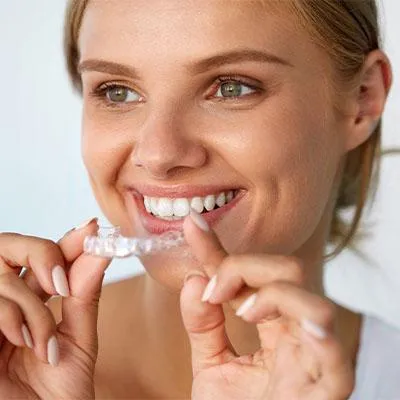
Choosing between clear aligners vs. braces comes down to how each option fits your daily life. At Otto Orthodontics, we help you weigh both paths to a straighter smile. Clear aligners are removable plastic trays that straighten teeth discreetly. Braces are fixed brackets and wires that work around the clock. Both deliver proven results for alignment, bite, and spacing concerns. The right choice depends on your treatment needs, schedule, and personal preferences across the St. Louis area.
Clear Aligners vs. Braces: A Quick Overview
Before diving into the details, here's a high-level look at how these two options compare. Clear aligners and braces both move teeth using carefully planned, gentle force. The biggest differences come down to appearance, daily habits, and the kinds of cases each one handles best.
Clear aligners are a series of clear plastic trays worn over the teeth. They're nearly invisible, removable for meals and brushing, and popular with adults and responsible teens. Aligners work well for mild to moderate crowding, spacing, and minor bite adjustments. Because they're removable, success depends on wearing them 20 to 22 hours each day.
Braces use small brackets bonded to each tooth, connected by an archwire. They stay on full time, so they're always working. Braces excel at complex bite corrections, severe rotations, and cases that need precise, hands-on control. Younger patients often do well with braces because there's nothing to remember or take in and out.
Cost, length of care, and insurance coverage are usually similar between the two. Your daily life, age, and the kind of movement your teeth need will guide the final decision. The St. Louis-based doctors at Otto Orthodontics, who are AAO-affiliated, can walk through both options with you.
How Do Clear Aligners and Braces Work?
Clear aligners and braces both move teeth using gentle, steady pressure over time. Aligners use a series of custom plastic trays swapped every one to two weeks. Braces use brackets and an archwire that your doctor adjusts every few weeks. Both methods rely on small, planned movements to guide teeth into healthier positions.
Clear Aligners: Your orthodontic journey starts with a digital scan of your teeth. From there, your doctor creates a custom series of plastic trays. You wear each set for one to two weeks, then move to the next. The trays apply gentle pressure to shift your teeth in planned stages. Most people wear aligners 20 to 22 hours daily, removing them only for eating and brushing.
3D treatment planning software lets you preview your results before you even start. It's pretty cool to see your future smile on screen.
Braces: With braces, small brackets bond directly to your teeth. An archwire connects them and applies steady force to guide teeth into position. Your doctor adjusts the wire every four to eight weeks. This keeps the movement progressing.
Braces allow for precise control. Wire bends, rubber bands, and other tools help tackle complex movements that need extra attention.
Both methods rely on controlled, gradual pressure. Your teeth shift slowly and predictably over time.
Benefits of Clear Aligners vs. Braces
Each option brings its own advantages. Here's what makes them stand out.
What Are the Benefits of Clear Aligners?
- Nearly invisible - Most people won't notice you're wearing them
- Removable - Take them out to eat, brush, and floss normally
- No food restrictions - Enjoy popcorn, apples, and all your favorites
- Fewer office visits - Check-ins are typically less frequent
- Smooth and comfortable - No brackets or wires to irritate your cheeks
What Are the Benefits of Braces?
- Work 24/7 - No need to remember to put them back in
- Handle complex cases - Effective for severe rotations and bite issues
- No compliance worries - They're always doing their job
- Customizable style - Pick fun colors with our Color My Braces program
- Proven track record - Trusted for generations
Side-by-Side Comparison: Aligners vs. Braces
| Factor | Clear Aligners | Braces |
|---|---|---|
| Appearance | Nearly invisible | Visible (metal or ceramic options) |
| Comfort | Smooth plastic, minimal irritation | May cause initial cheek/lip irritation |
| Length of Orthodontic Journey | Typically 6-18 months | Typically 12-24 months |
| Maintenance | Remove to brush and floss normally | Requires floss threaders and careful brushing |
| Diet | No restrictions | Avoid hard, sticky, and chewy foods |
| Office Visits | Every 6-10 weeks | Every 4-8 weeks |
| Best For | Adults, professionals, athletes, responsible teens | Complex cases, younger patients, hands-off wearers |
Your lifestyle matters here. If you're constantly in meetings or playing sports, aligners let you adapt easily. If you'd rather not think about wearing something 22 hours a day, braces might be your better match.
How Much Do Clear Aligners and Braces Cost?
The cost of clear aligners and braces depends on treatment complexity, length of your orthodontic journey, and any additional appliances. Both options often fall within a similar price range, and most insurance plans cover them equally. Mild cases cost less than complex bite corrections, regardless of which option you choose for your smile.
Here's what influences your investment:
- Severity of alignment issues - Mild spacing costs less to correct than complex bite concerns
- Length of care - Longer orthodontic journeys require more aligner trays or wire adjustments
- Additional appliances - Rubber bands, expanders, or attachments add to the plan
- Retainers - These are part of every plan and factor into overall cost
Good news: insurance often covers orthodontics the same way for both options. Many plans include lifetime orthodontic benefits that apply to aligners or braces equally. Health Savings Accounts (HSAs) and Flexible Spending Accounts (FSAs) can also help offset costs, since orthodontics is a qualifying medical expense for most families.
Many practices across the St. Louis area, including Otto Orthodontics, keep pricing clear and upfront. Low monthly payment options and flexible financing make orthodontics easier to budget for, whether you're a parent planning ahead or an adult investing in your own smile.
Who Is a Good Candidate for Each Option?
Not everyone is a fit for every option. Here's how to think about candidacy.
Who Should Consider Clear Aligners?
- Mild to moderate crowding or spacing
- Minor bite adjustments
- Adults and professionals who want discretion
- Responsible teens who can commit to wearing trays consistently
- Athletes who need to remove appliances during games
- Anyone who values flexibility in their daily routine
Who Should Consider Braces?
- Complex bite corrections (overbite, underbite, crossbite)
- Severe rotations or teeth that need significant movement
- Younger patients who might struggle with aligner compliance
- Cases requiring precise, controlled adjustments
- Anyone who prefers a low-maintenance, always-on approach
Both options work well for teens and adults across the St. Louis area, from Fenton to St. Peters. The key is matching the option to your specific needs. That's why an in-person exam matters so much. AAO-affiliated doctors, like the team at Otto Orthodontics (a diamond plus Invisalign provider ), evaluate your teeth, bite, and goals before recommending a path forward.
Frequently Asked Questions
Are clear aligners as effective as braces?
Yes, for most cases. According to the American Association of Orthodontists, clear aligners effectively treat mild to moderate alignment and spacing issues. Braces remain the stronger choice for complex movements, severe rotations, and significant bite corrections. Your doctor can tell you which option will deliver your best results.
How long does each orthodontic journey take?
Aligner care typically runs 6 to 18 months. Braces usually take 12 to 24 months. Your timeline depends on how much movement your teeth need. Some cases finish faster; others take longer. Your doctor gives you a realistic estimate during your consultation.
Do aligners or braces hurt more?
Both cause mild soreness when teeth start moving. This is normal and means your smile is on the move. Many patients find aligners feel less irritating since there are no brackets or wires touching soft tissue. Any discomfort usually fades within a few days of each adjustment or new tray.
Can I switch from braces to aligners mid-treatment?
Sometimes. It depends on your progress and how complex your remaining movement is. If your teeth have moved enough, transitioning to aligners might be possible. Your doctor can evaluate whether switching makes sense for your situation.
Are clear aligners or braces better for adults?
Aligners are popular with adults because they're discreet. You can wear them through meetings, presentations, and social events without anyone noticing. That said, braces remain a strong option, especially for complex cases. The "better" choice is the one that fits your needs and lifestyle.
Do I still need a retainer after either option?
Absolutely. Retainers keep your teeth in their new positions. Without them, teeth can shift back over time. This applies whether you had aligners or braces. Plan on wearing a retainer long-term to protect your awesome smile.
Ready to get started? Visit our St. Louis orthodontics and schedule a complimentary consultation.