
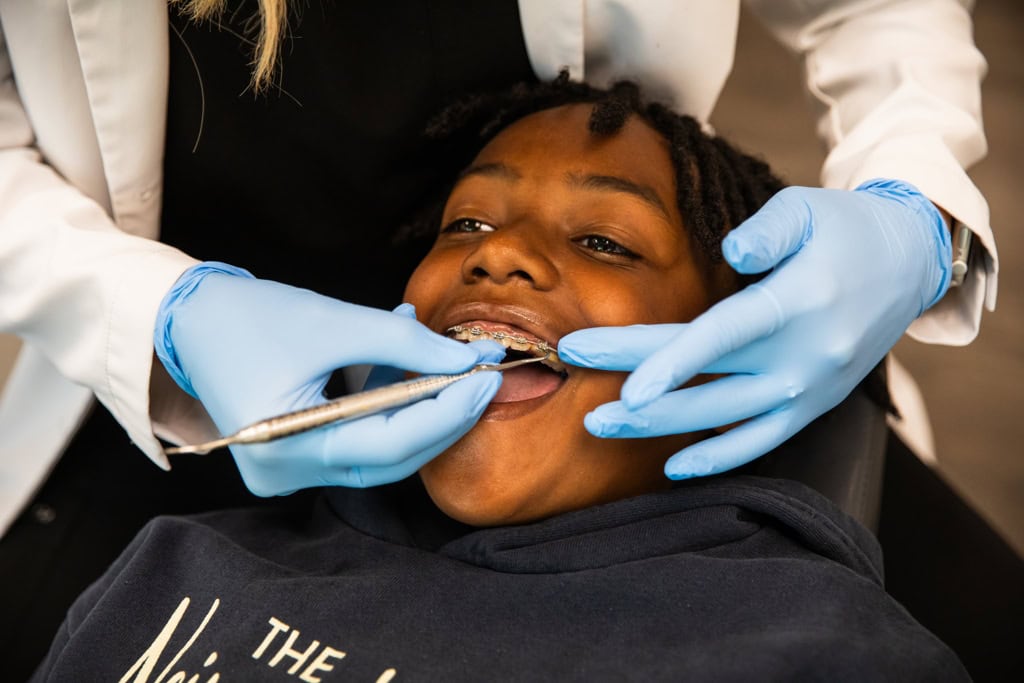
What Are Clear Aligners for Kids?
Clear aligners for kids are custom-made, removable plastic trays designed specifically for growing mouths. Unlike adult aligners, these systems accommodate baby teeth, erupting permanent teeth, and developing jaws. Invisalign First is the most recognized pediatric aligner system, and it's designed for children ages 6-10 who need early orthodontic care. These aligners address common issues like narrow arches, crowding, spacing, and minor bite concerns during a critical growth window.
Early orthodontic treatment (often called Phase 1 treatment) takes advantage of your child's natural growth patterns. The goal isn't always to create a perfect smile right away. Instead, clear aligners for kids can guide jaw development, create space for permanent teeth, and prevent more serious issues down the road. Families across the St. Louis area are choosing this approach as more research highlights the value of early intervention.
Many young patients turn out to be great candidates for this approach. Following the American Association of Orthodontists' recommendation, children should have their first orthodontic evaluation by age 7, before all permanent teeth have erupted.
How Clear Aligners for Kids Work
Clear aligners for kids work by applying gentle pressure through custom plastic trays worn 20-22 hours daily, switched every 1-2 weeks, with treatment typically lasting 12-18 months. Each tray nudges teeth gradually into better positions while accounting for the natural growth happening in a child's mouth and jaw.
Your child's aligner treatment starts with a thorough exam and 3D digital scan of their teeth, performed by our experienced doctors and AAO-member team. There's no goopy impression material, just a quick, comfortable scan that creates a precise digital model. From there, your doctor designs a custom plan that accounts for your child's growth patterns and incoming permanent teeth.
Once the aligners arrive, kids wear each set of trays about 20-22 hours per day. They only remove them for eating, drinking anything besides water, and brushing their teeth. Every one to two weeks, they switch to the next set of aligners in the series. Each new tray applies gentle pressure to shift teeth gradually.
Check-in appointments happen every 6-10 weeks. These visits let the doctor monitor progress, make adjustments, and confirm everything is moving according to plan. Phase 1 aligner treatment typically lasts 12-18 months, though every child's timeline is different.
The best part? Kids can see their projected results before treatment even begins, thanks to digital planning technology.
Benefits of Clear Aligners for Kids
Why do so many parents choose clear aligners for their kids? Here are the advantages that matter most:
Are Clear Aligners Less Noticeable Than Braces?
Yes, much less noticeable. The trays are nearly invisible, so kids feel less self-conscious during the school day or in photos. There are no metal brackets or wires drawing attention, which can make a big difference for shy or appearance-conscious children who might otherwise resist treatment.
Can Kids Still Eat Their Favorite Foods?
Absolutely. Because aligners are removable, your child takes them out for meals, snacks, and brushing. That means no food restrictions like with traditional braces, no struggling to clean around brackets, and no broken wires after a crunchy apple. Popcorn nights, corn on the cob, and chewy candy stay on the menu.
What About Hygiene and Sports?
Brushing and flossing happen normally, which matters a lot for developing teeth that need extra protection from cavities. For athletes, a regular mouthguard works during practice and games. Just pop the aligners back in afterward. Fewer brackets also means fewer emergency visits, no broken brackets or poking wires sending you back to the office unexpectedly.
-
Jaw development support. Aligners can help guide jaw growth during key developmental years, which can mean less treatment later.
-
Confidence boost. Many kids feel more at ease socially when their orthodontic care is barely visible, which often translates to more smiling, more laughing, and more willingness to engage with classmates and friends throughout the school year.
Jaw development support. Aligners can help guide jaw growth during key developmental years, which can mean less treatment later.
Confidence boost. Many kids feel more at ease socially when their orthodontic care is barely visible, which often translates to more smiling, more laughing, and more willingness to engage with classmates and friends throughout the school year.
Clear Aligners vs. Braces for Kids
| Factor | Clear Aligners | Traditional Braces |
|---|---|---|
| Appearance | Nearly invisible | Visible brackets and wires |
| Removability | Removable for eating and cleaning | Fixed in place 24/7 |
| Compliance | Requires self-discipline to wear 20+ hours | No compliance needed, always working |
| Comfort | Smooth plastic, no poking wires | May cause occasional irritation |
| Oral Hygiene | Normal brushing and flossing | Requires special tools and techniques |
| Treatment Scope | Best for mild to moderate cases | Handles complex cases effectively |
| Cost | Typically comparable | Typically comparable |
Both options work well for kids. The right choice depends on your child's specific needs and personality.
Braces might be better for children who struggle with responsibility or have more complex orthodontic issues. Clear aligners shine for kids who can commit to wearing them consistently and want a less noticeable option.
A doctor can help you weigh the pros and cons during a complimentary consult. There's no one-size-fits-all answer, and families in the St. Louis metro area often appreciate having both paths explained side by side before deciding.
What Affects the Cost of Clear Aligners for Kids
Clear aligner pricing for children varies based on case complexity, length of treatment, and whether Phase 1 stands alone or pairs with later Phase 2 care. While exact costs differ from family to family, most plans land in a similar range to traditional braces and many include diagnostic records, check-in visits, and retainers.
Several factors influence what you'll pay for your child's aligner orthodontic journey:
-
Case complexity. More severe crowding, spacing, or bite issues require more aligners and a longer orthodontic journey.
-
Treatment phase. Phase 1 alone costs less than a combined Phase 1 and Phase 2 plan.
-
Number of aligners. Simple cases need fewer trays. Complex cases need more.
-
Diagnostic records. 3D scans, X-rays, and photos are typically included in fees.
-
Insurance coverage. Many dental plans include orthodontic benefits that apply to clear aligners. Check your policy for details, since coverage percentages and lifetime maximums vary widely between insurers.
-
Payment options. Low monthly payment plans make care accessible for more families, and many practices offer in-house financing without interest.
Complimentary consultations are widely available so families can understand their child's needs and costs before committing. Most practices also work with major insurance plans and offer flexible financing.
Is Your Child a Candidate for Clear Aligners?
Not every child is ready for clear aligners. Here's how to know if your kid might be a good fit:
Ideal candidates typically:
- Are between ages 6 and 10 with a mix of baby and permanent teeth
- Have crowding, spacing, crossbite, or narrow arches
- Can commit to wearing aligners 20+ hours daily
- Are responsible enough to keep track of removable trays
- Want a less visible orthodontic option
Clear aligners may not be ideal for:
- Severe skeletal jaw issues
- Major bite problems requiring complex mechanics
- Children who aren't ready for the responsibility of removable trays
The only way to know for sure? Book a complimentary consult. A doctor will examine your child's teeth, jaw, and bite to determine the best approach. Sometimes aligners are perfect. Sometimes braces make more sense. And sometimes, the recommendation is to wait and monitor growth before starting any care. According to the AAO, early evaluation doesn't always mean immediate treatment, it just gives your doctor a head start on planning.
Parents often ask whether their child is "too young" or "too old" for aligners. The honest answer is that timing depends on dental development, not just age. Two seven-year-olds can be at very different stages, and a good evaluation accounts for that. is one data point worth asking about during your consult.
Frequently Asked Questions
At what age can my child start clear aligners?
Most children can begin clear aligner care between ages 6 and 10, once they have a mix of baby teeth and permanent teeth. Invisalign First is specifically designed for this age group. A doctor will confirm whether your child's dental development is ready.
How long does Phase 1 aligner treatment take?
Phase 1 typically lasts 12-18 months, though this varies based on your child's specific needs. Some cases wrap up faster. Others take a bit longer. Regular check-ins help keep things on track.
Will my child still need braces later?
Yes, many children who complete Phase 1 do need Phase 2 care (usually braces or aligners) once all permanent teeth have erupted, though early treatment often makes Phase 2 shorter and simpler. Some kids don't need additional care at all.
Are clear aligners painful for kids?
Most children feel mild pressure or tightness when they switch to a new aligner tray. This feeling usually fades within a day or two, and it's a sign the aligners are working. Unlike braces, there are no wires or brackets that can poke or irritate cheeks and gums.
What if my child loses an aligner?
Contact your doctor right away. Depending on where your child is in their orthodontic journey, they may move to the next tray early or wear the previous tray while a replacement is ordered. Having a backup plan helps prevent delays.
Does insurance cover clear aligners for children?
Many dental insurance plans include orthodontic benefits that cover clear aligners the same way they cover braces. Coverage amounts vary by plan. A consult can help verify your benefits and explain what's included.
Curious whether clear aligners are right for your child? Early orthodontic care can be a wonderful step toward a healthy, awesome smile, and learning more is the easiest place to start. Talking with an AAO-member doctor about Phase 1 options gives you clarity on timing, candidacy, and what to expect next. Ortho is for everyone! and it's easy to get an awesome smile!