
Special healthcare needs refer to physical, developmental, behavioral, sensory, or medical conditions that require adapted care approaches. In orthodontics, this means adjusting every visit, appliance choice, and communication style to fit the patient. Our doctors explain that this approach helps patients with conditions like autism, Down syndrome, or anxiety feel safe and supported. As an experienced practice with a team trained in adaptive care, we bring both clinical skill and genuine warmth to every appointment.
Every day, we see patients with many different needs walk through our doors. Some have sensory sensitivities that make traditional dental visits overwhelming. Others have mobility limits, cerebral palsy, cognitive differences, or medical conditions that require coordinated care with other providers.
What sets these patients apart isn't their goals. They want healthy, confident smiles just like anyone else. What differs is the orthodontic journey to get there.
Standard orthodontic visits assume a patient can sit comfortably for 30-60 minutes, follow verbal cues, and tolerate sounds, lights, and instruments without distress. For someone with sensory processing differences or anxiety, that environment can shut down the visit before it starts.
That's why our doctors adapt the experience. We change the pace, the setting, the appliances, and the communication style to match each person. The clinical goals stay the same, but the way we get there is built around you.
How Special Healthcare Needs Orthodontic Care Works
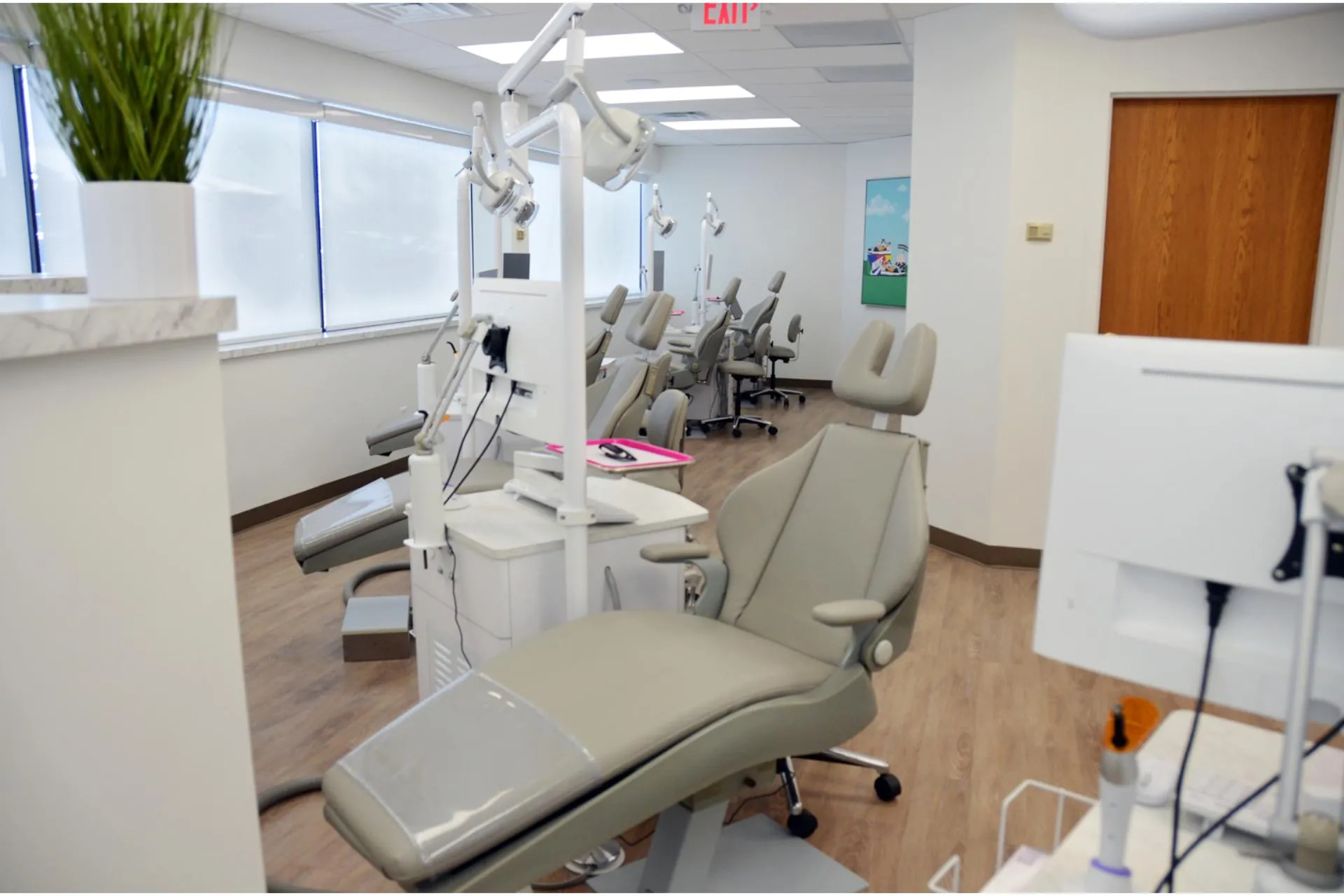
Picture a patient who freezes the moment they hear a dental drill, or a child who can't sit still under bright clinical lights. For families like these, the right care adapts each step of treatment, from intake to retention, around the patient's sensory, behavioral, and medical needs. The process includes pre-visit planning, accommodations like quieter rooms and shorter visits, customized appliances, caregiver coordination, and flexible scheduling so every appointment feels predictable and manageable.
Here's how the process typically unfolds with our amazing team:
-
Pre-visit communication. Before the first appointment, we connect with caregivers to learn about triggers, calming strategies, communication preferences, and medical history. This lets us prepare the room and team ahead of time.
-
Gradual desensitization. For patients who need it, we offer short "get to know you" visits before any clinical work begins. You might just sit in the chair, meet the team, and look around.
-
Sensory accommodations. We can dim lights, lower sounds, schedule during quieter hours, and offer noise-canceling headphones or weighted blankets when helpful.
-
Customized appliances. When traditional braces aren't the best fit, we discuss alternatives like clear aligners, simpler appliances, or designs that are easier to clean at home.
-
Caregiver and provider coordination. We work closely with parents, caregivers, pediatricians, and specialists to keep care aligned with the bigger picture.
-
Flexible scheduling. Shorter, more frequent visits often work better than long appointments. We build the schedule around what helps you succeed.
Families across the area trust our practice to make this process feel approachable. The goal is simple: a calm, predictable experience that leads to an awesome smile.
Benefits of Specialized Orthodontic Care
When orthodontic care is adapted to fit the person, the benefits reach far beyond straighter teeth. Let's look at the questions families ask us most.
How does adapted care improve daily oral health?
Aligned teeth are easier to brush and floss, which matters even more for patients who rely on caregivers for daily hygiene or have limited dexterity. Beyond cleaner teeth, the benefits show up in everyday comfort and confidence:
-
Less anxiety, more trust. Predictable, patient-centered visits build confidence over time. Many patients who once feared the dental chair come to look forward to seeing our amazing team.
-
Improved function. Correcting bite issues can make chewing easier, support clearer speech, and reduce jaw strain. For patients with feeding challenges or speech therapy goals, this can be a meaningful change.
Why does specialized care matter for long-term confidence?
A healthy smile lifts how you feel and how you connect with others. That's otto-matic confidence in every smile, regardless of how someone communicates or moves through the world. Adapted care also protects oral health for years to come:
- Prevents future complications. Untreated alignment issues can lead to wear, gum trouble, and harder cleaning over a lifetime. Early or adapted care helps avoid bigger concerns later, sparing patients and families added stress down the road.
According to the American Association of Orthodontists, early evaluation, typically around age 7 , helps identify issues before they become more complex. For patients with special healthcare needs, that early window can be especially valuable, giving the team time to build trust and plan ahead.
Standard vs. Special Needs Orthodontic Care
Both standard and special needs orthodontic care share the same clinical goals: healthy alignment, a balanced bite, and a smile you love. What changes is the approach.
| Element | Standard Orthodontic Care | Special Needs Orthodontic Care |
|---|---|---|
| Appointment length | Typically 20-45 minutes | Often shorter, sometimes split into multiple visits |
| Sensory environment | Standard clinical setting | Adjusted lighting, sound, and pacing as needed |
| Communication | Verbal instructions, standard pace | Visual aids, simplified language, social stories, extra time |
| Appliance choices | Full range based on clinical needs | Selected for comfort, hygiene ease, and tolerance |
| Hygiene support | Standard home care guidance | Caregiver coaching, adaptive tool recommendations |
| Care coordination | Routine collaboration when needed | Active coordination with caregivers and medical providers |
| Scheduling | Standard intervals | Flexible, often during quieter office hours |
The clinical work is the same. The wrapper around it changes to fit the patient. That's part of why we're not your typical orthodontic practice.
How Much Does Special Healthcare Needs Orthodontic Treatment Cost?
Maybe you're worried that adapted care comes with a higher price tag. The truth is, the cost of special needs orthodontic treatment depends on the type of treatment, the complexity of the case, the length of the plan, and any added accommodations. There's no single price because every plan is built around the individual. A complimentary consult is the best way to get a clear, personalized estimate for your family.
Key factors that influence cost include:
-
Treatment type. Traditional braces, clear aligners, two-phase treatment for kids, and surgical orthodontics each have different price ranges.
-
Complexity of the case. More complex bite or alignment concerns often require longer treatment and more visits.
-
Treatment length. Most orthodontic plans run 12-24 months, though some are shorter or longer depending on the goals.
-
Additional accommodations. Longer appointment times, extra desensitization visits, or specialized appliances can affect the overall plan.
-
Insurance and financing. Many families use orthodontic insurance benefits, and we offer low monthly payment options to make care manageable.
The first step is always a complimentary consult. Our doctors will walk you through the recommended plan, the timeline, and the numbers so there are no surprises. Simple & affordable is how we like to keep it, because we believe every family deserves a clear path to an awesome smile.
Is Special Needs Orthodontic Care Right for Your Family?
Wondering whether this kind of care fits your situation? Specialized orthodontic care can be a strong fit for children, teens, adults, and seniors whose needs benefit from an adapted approach. Ortho is for everyone, and that includes patients who don't always feel served by traditional dental settings. Research suggests a meaningful share of patients benefit from accommodations during dental care .
You may want to explore specialized orthodontic care if:
- Your child or family member has autism, Down syndrome, cerebral palsy, ADHD, or another developmental or sensory condition
- There are signs of crowding, crossbite, overbite, underbite, or other alignment concerns
- Brushing and flossing are difficult because of how the teeth are positioned
- The patient experiences dental anxiety or behavioral challenges that make standard visits hard
- A senior family member has cognitive changes or mobility limits that require gentler, slower-paced care
- You've been told another office isn't equipped to help, and you're looking for a team that is
You don't need a diagnosis to ask for accommodations. If standard visits feel overwhelming for any reason, that's reason enough to talk with our amazing orthodontists.
A complimentary consult is the easiest way to find out what's possible. We'll listen, ask questions, and walk through options together. No pressure, no commitment, just a conversation about your family's needs and goals.
Frequently Asked Questions
Can patients with autism or sensory sensitivities get braces?
Yes. Many patients on the autism spectrum or with sensory sensitivities wear braces or clear aligners successfully. The key is preparation and pacing. Our doctors use desensitization visits, sensory accommodations, and clear communication to help patients feel safe at each step. Caregiver input shapes the plan from day one.
How long do special needs orthodontic appointments take?
Appointment length varies based on what works best for the patient. Some visits are intentionally short, around 10-20 minutes, to keep things manageable. Others follow standard timing once a patient is comfortable. We build the schedule around the person, not the other way around, and we'll talk through expectations before every visit.
Is Invisalign an option for special needs patients?
Often, yes. As a diamond plus Invisalign provider, we use clear aligners for many patients with special healthcare needs because they can be more comfortable, easier to clean around, and less intrusive than brackets. Whether Invisalign is the right fit depends on the patient's ability to wear and care for the aligners, which we'll assess at the complimentary consult.
How can caregivers prepare a patient for an orthodontic visit?
Preparation helps a lot. Share photos of our office and team ahead of time, talk through what will happen using simple language, and bring familiar comfort items like headphones, a favorite toy, or a weighted blanket. Let us know what calms the patient and what to avoid. The more we know in advance, the smoother the visit.
At what age should special needs orthodontic evaluation begin?
The American Association of Orthodontists recommends a first evaluation around age 7 for all children . For kids with special healthcare needs, that early visit is especially helpful because it gives time to build familiarity with the office, plan ahead, and step in at the right moment if needed. Adults and seniors are welcome to start at any age.
Our practice is proud to welcome patients with special healthcare needs at all of our locations. Our doctors are and have earned , bringing years of training in adaptive, patient-centered care to every family we serve. We'd love to meet you and your family. Request your complimentary consult today, and get ready to rock a new smile. We can't wait to see you soon!