
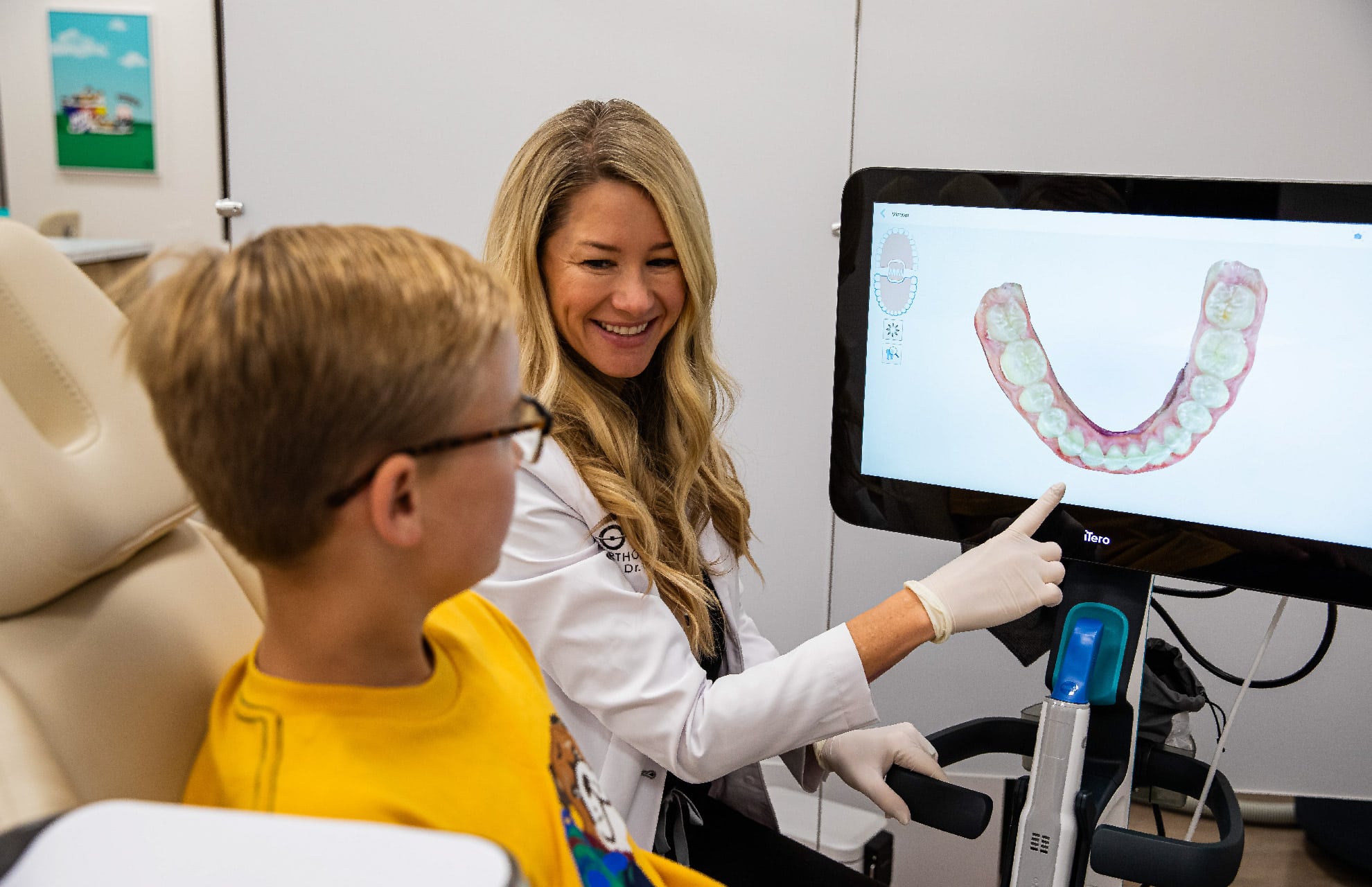
Ortho is for everyone! Our practice welcomes patients with a wide spectrum of healthcare needs, and we've built our special needs orthodontics care model around respect, sensitivity, and individualized attention. If you're looking to learn more about special needs orthodontics with Otto Orthodontics, this guide walks you through how our team supports patients and families from the first hello to the finished smile. Led by Dr. Genevieve Otto and her extraordinary team, our doctors bring real experience to caring for patients of every ability.
What Does "Special Healthcare Needs" Mean in Orthodontics?
Special healthcare needs in orthodontics refers to patients with physical, developmental, sensory, behavioral, or medical conditions that may require adapted care. This includes autism, Down syndrome, cerebral palsy, ADHD, anxiety disorders, and mobility limitations. These patients benefit from individualized plans, flexible appointments, and a calm, supportive clinical setting.
Every patient deserves an awesome smile. Yet a one-size-fits-all approach simply doesn't work for everyone. A teenager with sensory sensitivities, a child with Down syndrome, or an adult with limited mobility each have their own goals, comfort levels, and considerations. Recognizing this is the first step toward truly inclusive care.
Which Conditions Do We Support?
Our amazing team has experience welcoming patients with many conditions, including:
- Autism spectrum disorder and sensory processing differences
- Down syndrome and other genetic conditions
- Cerebral palsy and physical mobility challenges
- ADHD, anxiety, and behavioral health considerations
- Medical conditions requiring coordination with other providers
- Communication or learning differences
Why Does Individualized Care Matter?
Patients with special healthcare needs often face higher rates of dental concerns, including crowding, bite issues, and difficulty with at-home hygiene . Orthodontic care can make a real difference, but it works best when the experience is built around the person sitting in the chair.
That's why our doctors and extraordinary team take time to learn about each patient before any clinical work begins. We ask about communication preferences, sensory triggers, mobility needs, and what helps a patient feel safe. As proud AAO (American Association of Orthodontists) members, our orthodontists bring evidence-based training to every plan we design.
What Is Our Commitment at Otto Orthodontics?
We're not your typical orthodontic practice. Treating every patient the way we'd want to be treated means meeting people where they are. From scheduling to chair-side care, our doctors and team work to make the experience comfortable, respectful, and successful for every single patient who walks through the door.
How Does Special Needs Orthodontic Care Work at Otto Orthodontics?
Special needs orthodontic care at Otto Orthodontics starts with a complimentary consult to understand each patient's medical history, sensory profile, and communication style. From there, our doctors design a plan that may include desensitization visits, a quieter environment, flexible scheduling, and close coordination with caregivers and other healthcare providers.
Here's what families can expect from start to finish.
What Happens at the Complimentary Consult?
Your first visit is all about getting to know you. We ask questions, listen carefully, and review medical history. Caregivers are encouraged to share what works well at other appointments, what doesn't, and any specific accommodations that help. There's no pressure to get started right away.
What Are Desensitization and Trust-Building Visits?
For many patients, comfort grows with familiarity. Short visits give the patient a chance to simply meet the team, see the chair, and explore the office. These low-pressure visits help build trust before any clinical steps begin.
How Do Sensory-Friendly Adjustments Help?
Small changes can make a big difference. Our team can dim lights, lower background noise, allow noise-canceling headphones, offer weighted lap pads, or schedule appointments during quieter times of day. Each step is explained before we do it, using clear, calm language so nothing comes as a surprise.
How Do You Coordinate With My Care Team?
Open communication with pediatricians, dentists, occupational therapists, behavioral specialists, and other providers happens as needed. This helps us align orthodontic care with overall health goals, medications, and any precautions that should be considered.
How Flexible Are Pacing and Scheduling?
Some patients do best with shorter, more frequent visits. Others prefer longer appointments with built-in breaks. The pace of treatment adapts to the patient, not the other way around. Families can choose the appointment rhythm and routine that fits their daily life, and our doctors will adjust as needs change over time.
Benefits of Specialized Orthodontic Care for Special Needs Patients
Specialized orthodontic care benefits special needs patients through easier hygiene, reduced anxiety, better function, and increased confidence. When care is adapted to fit the patient, the benefits go far beyond a straighter smile. Here are some of the most meaningful outcomes families share with us.
How Does Orthodontic Care Improve Daily Life?
- Easier oral hygiene. Aligned teeth are easier to brush and floss, which is especially helpful for patients who need assistance with daily care or have motor coordination differences.
- Reduced anxiety. Predictable routines, familiar faces, and patient pacing help lower stress for both the patient and the caregiver.
- Better function. Improved bite alignment can support clearer speech, more comfortable chewing, and better overall oral function.
- Increased confidence. A healthy, attractive smile can boost self-esteem and social comfort at every age, and that lift often shows up in classrooms, family photos, and friendships.
What Are the Long-Term Outcomes?
- Caregiver peace of mind. Knowing your loved one is in experienced, respectful hands makes the whole experience more positive.
- Long-term oral health. Straighter teeth and a balanced bite can lower the risk of future dental issues, supporting wellness for years to come.
According to the American Association of Orthodontists, individuals with special healthcare needs often benefit from early orthodontic evaluation, which allows providers to plan around growth, development, and any medical considerations . Our doctors keep those guidelines in mind as we build each plan.
We also love seeing the personal wins, like a patient who once needed support to enter the office walking in confidently on their own, or a caregiver who tells us their loved one is finally smiling for photos. These moments are why we do what we do.
Comparing Orthodontic Treatment Options for Special Needs Patients
Both braces and Invisalign can work beautifully for special needs patients, with the right choice depending on the patient's daily routine and support system. Choosing between them is one of the most common questions families ask. Each option has strengths based on the patient's needs, abilities, and support at home. Our doctors help families weigh the options based on what will truly work best day-to-day.
How Do Braces and Invisalign Compare?
| Consideration | Traditional Braces | Invisalign |
|---|---|---|
| Supervision needed | Lower, since they stay in place | Higher, since aligners must be worn 20-22 hours/day |
| Sensory tolerance | Constant presence in the mouth | Removable, less constant sensation |
| Cleaning | Brushing around brackets, may need caregiver help | Aligners removed for brushing and meals |
| Durability | Fixed, hard to dislodge | Can be lost or damaged if not stored carefully |
| Office visits | Adjustments every 4-8 weeks | Check-ins every 6-10 weeks, plus aligner changes |
| Best for | Patients who may not consistently wear aligners | Patients with strong routines and caregiver support |
The key takeaway: braces offer consistency without daily decisions, while Invisalign offers removability and easier cleaning for patients with reliable routines and support.
When May Fixed Appliances Be Preferred?
For some patients, braces are the more practical choice. Fixed appliances don't require remembering to wear them, can't be misplaced, and continue working between visits without daily decision-making. This can be a great fit for patients who thrive with consistency and limited variables.
When May Invisalign Be a Strong Fit?
As a diamond plus Invisalign provider, our doctors treat everyone with Invisalign when it makes sense for the patient. Aligners can be a wonderful option for patients with sensory sensitivities to brackets, those who tolerate brief daily routines, and families with the structure to support consistent wear. Easier cleaning is also a major plus.
How Does Otto Orthodontics Personalize the Recommendation?
There's no single right answer. Our doctors review the patient's bite, oral health, sensory profile, communication style, and caregiver support before suggesting a path forward. We talk through pros and cons openly so families can make an informed, confident choice.
Cost Factors for Special Needs Orthodontic Treatment
The cost of special needs orthodontic treatment depends on the complexity of the bite, the length of care, the type of appliance, and how many visits are needed . No two plans are exactly alike because no two patients are exactly alike. Simple & affordable low monthly payment options keep care within reach, and our doctors review every plan in plain language during your complimentary consult.
What Influences the Cost of Care?
- Treatment complexity. Significant crowding, bite differences, or growth concerns can require more time and appliances.
- Duration. Shorter cases generally cost less than longer ones, though duration is driven by clinical need.
- Appliance type. Braces, Invisalign, and additional appliances each have different costs.
- Visit frequency. Patients who benefit from shorter, more frequent visits may have a slightly different scheduling pattern, which can shape the overall plan.
What About Insurance and Coverage?
Many dental insurance plans include orthodontic benefits, and some medical plans cover orthodontic care when it's tied to a medical condition. Our team helps families understand benefits, file paperwork, and explore options. Bring your insurance details to your complimentary consult so we can review everything together and answer any questions you may have.
Are Low Monthly Payment Options Available?
Finances shouldn't stand between a patient and an awesome smile. Simple & affordable monthly options help families plan ahead with confidence. We'll walk through every number together, no surprises and no confusing fine print. Our team is happy to map out exactly what to expect before you commit to anything.
What Is the Long-Term Value?
Investing in orthodontic care today can support better oral health, easier hygiene, and improved function for decades. For families with special healthcare needs, that long-term value is often one of the most meaningful benefits, and it's something families come back and thank us for years later.
Is Orthodontic Treatment Right for a Patient with Special Needs?
Many patients with special healthcare needs are excellent candidates for orthodontic care. The best way to find out is a complimentary consult, where our doctors evaluate the bite, oral health, and what kind of treatment plan would work best for the patient's abilities and support system.
What Signs Suggest an Orthodontic Evaluation May Help?
- Crowded, crooked, or overlapping teeth
- Bite issues like overbite, underbite, or crossbite
- Difficulty with brushing or flossing due to alignment
- Speech or chewing concerns related to tooth position
- Mouth breathing, jaw discomfort, or facial growth differences
Which Factors Do We Consider Together?
Cooperation, communication style, sensory tolerance, and caregiver support all play a role in choosing the right appliance and pacing. There's no pass/fail here. We're partners in figuring out what will work, and we adapt based on what we learn along the way.
What About Age and Timing?
The AAO recommends a first orthodontic visit around age seven, when enough adult teeth have come in to spot developing issues . For patients with special healthcare needs, early evaluation is especially helpful because it gives our doctors time to plan around growth, medical care, and the patient's developmental pace. That said, ortho is for everyone, at every age.
How Does a Consultation Determine Candidacy?
During your complimentary consult, our doctors review records, take any needed images, and talk with you about goals and concerns. Our Juell 3D-3 technology lets us capture detailed views comfortably and quickly. From there, we recommend a plan, or let you know if treatment isn't needed right now.
Frequently Asked Questions About Special Needs Orthodontics
Can patients with autism get braces or Invisalign?
Yes. Many patients on the autism spectrum do very well with orthodontic care, especially when the experience is adapted to their sensory and communication needs. Our team uses desensitization visits, clear step-by-step explanations, and a calm clinical setting. The right appliance, braces or Invisalign, depends on the individual.
How do you make appointments comfortable for anxious patients?
We start with what helps. That can include shorter visits, quieter scheduling times, dim lighting, headphones, breaks during care, and predictable routines. Caregivers are welcome to stay close, and each step is explained before we begin. Building trust comes first, every time.
How long does treatment typically take?
Most orthodontic treatment lasts between 12 and 24 months, though some plans are shorter or longer depending on the case. For patients with special healthcare needs, pacing may be adjusted to support comfort and success. Our doctors share a realistic timeline at the complimentary consult.
Do you coordinate with my child's other healthcare providers?
Absolutely. With your permission, we communicate with pediatricians, dentists, therapists, and specialists to align orthodontic care with the bigger picture. This helps us account for medications, medical conditions, and any precautions that matter for safe, effective treatment.
What should we expect at the first visit?
Your first visit is a complimentary consult focused on getting to know you. We chat about goals, review medical history, take a look at the smile, and answer questions. There's no pressure to start treatment. Many families use this visit simply to meet the team and explore the office.
Are your offices accessible for patients with mobility needs?
Yes. Our offices welcome patients with mobility considerations, with accessible entrances and treatment spaces designed for comfortable access. Our team is happy to discuss specific accommodations ahead of your visit, whether that means extra time for transfers, equipment adjustments, or a quieter scheduling window. Just let us know what helps, and we'll prepare in advance so your visit goes smoothly. We'd love to help you experience our 5-star care, and we can't wait to see you soon!